Water Damage Restoration Loveland, CO
24/7 water damage restoration in Loveland, CO. The restoration team extracts standing water, dries the structure to the IICRC S500 standard and documents every step for your insurance claim.
(888) 532-8620Water rising in Loveland? Start the extraction- 24/7 dispatch
- IICRC S500 drying standard
- Daily moisture readings
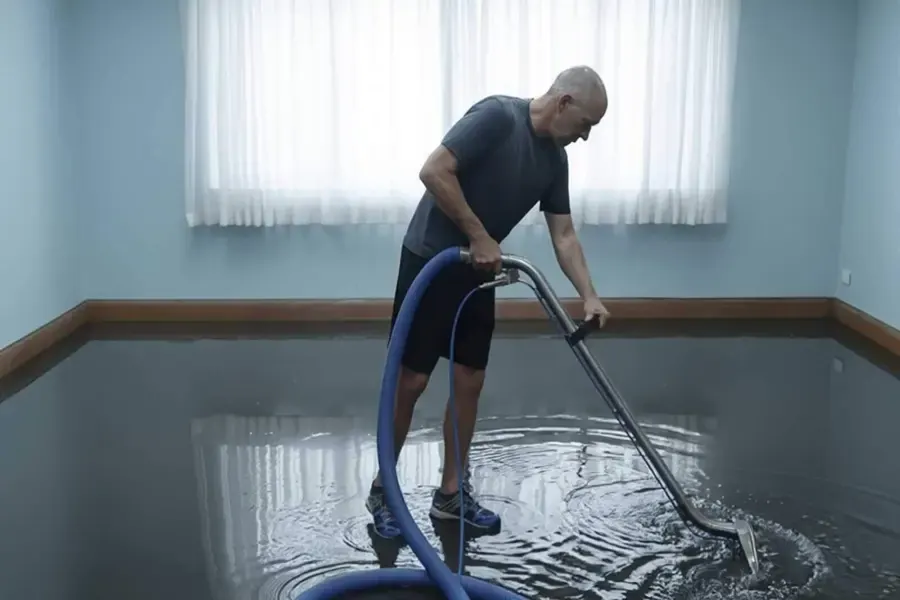
What to do while the water is still moving
- 1Shut the main water valve, usually on the basement wall facing the street.
- 2Kill power to wet circuits, but only if the breaker panel is dry.
- 3Stay out of standing water near outlets and photograph everything first.
- 4Lift rugs and boxes, then call. The first 24 to 48 hours decide the outcome.
Water Damage Restoration Services in Loveland, CO
From a single burst line to a flooded lower level, every service below is water damage: extraction, drying and cleanup across Loveland and south Larimer County.
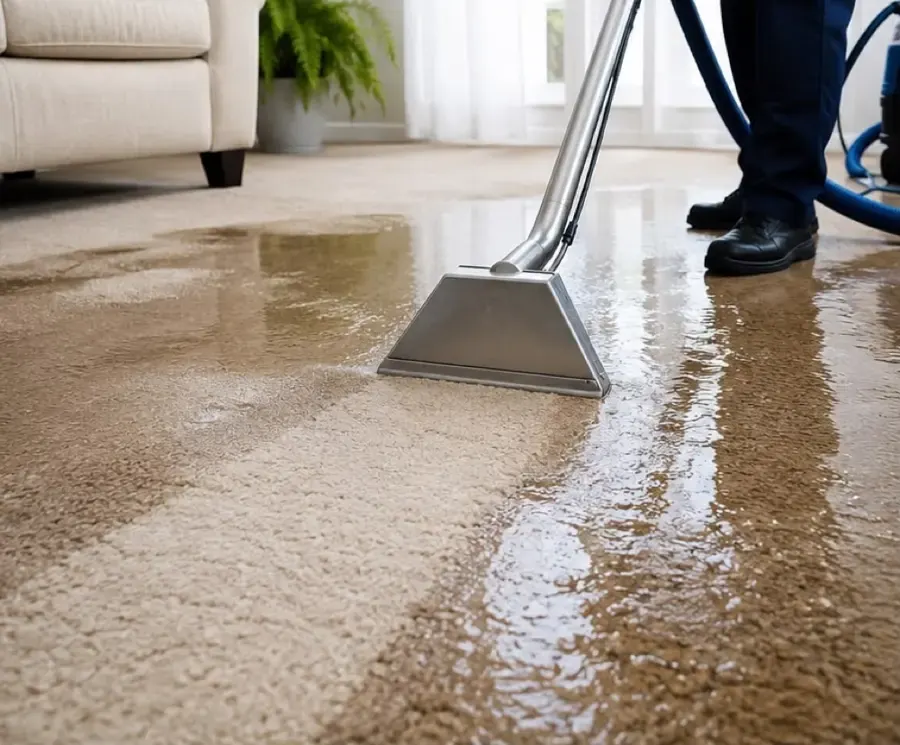 Water Extraction & RemovalTruck-mounted extraction pulls standing water out before it wicks into walls and subfloor.See the service
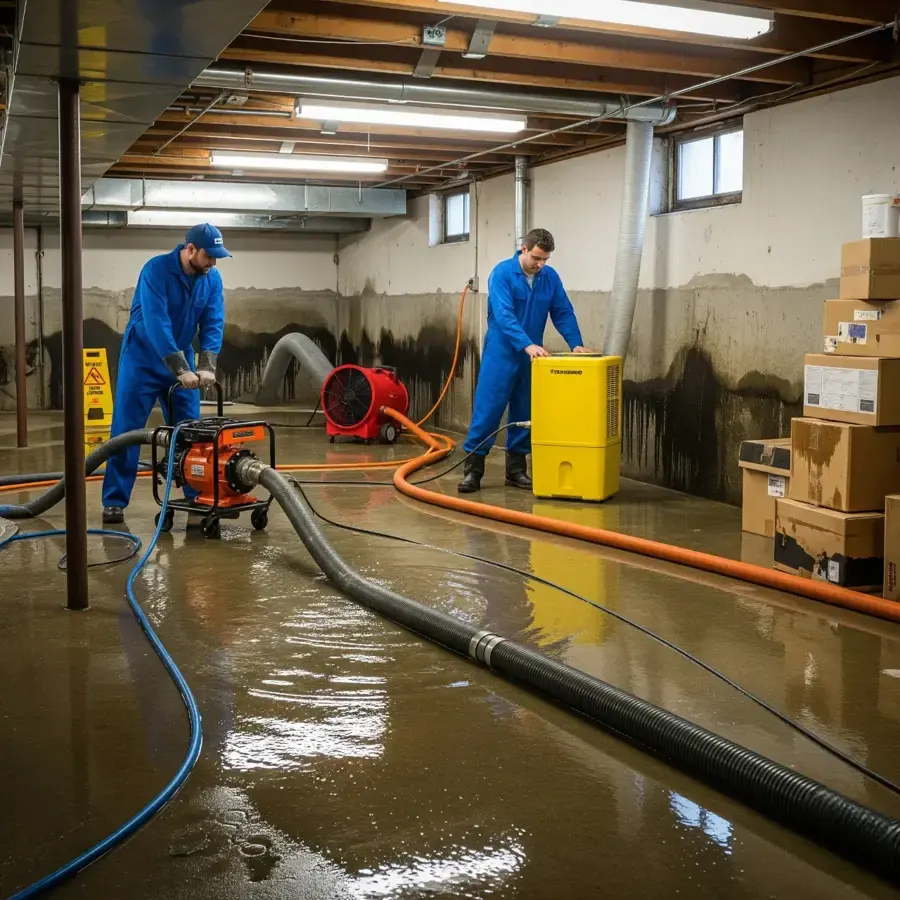 Basement Flooding CleanupFinished lower levels pumped out, opened where needed and dried to a verified reading.See the service
 Sump Pump Failure CleanupSpring groundwater backs up when a pump quits, so the pit, slab and walls get dried out.See the service
 Window Well Flooding CleanupStorm water that pours through an egress window is extracted and the wall below dried.See the service
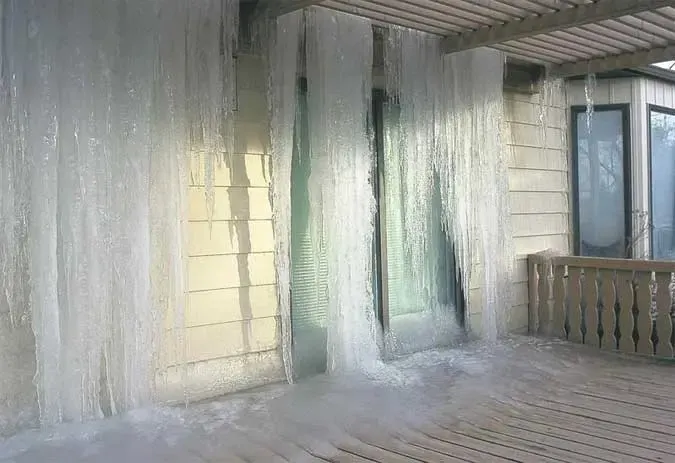 Frozen Pipe CleanupSub-zero splits in garages, crawlspaces and exterior walls, dried inside the cavity.See the service
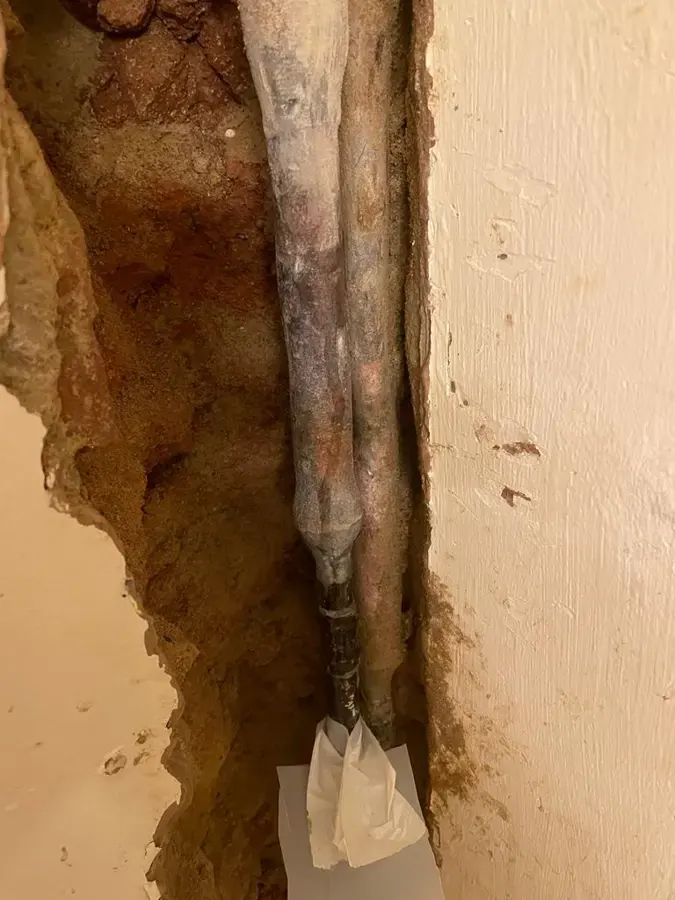 Burst Pipe CleanupHigh-volume supply line failures extracted fast and every soaked cavity dried.See the service
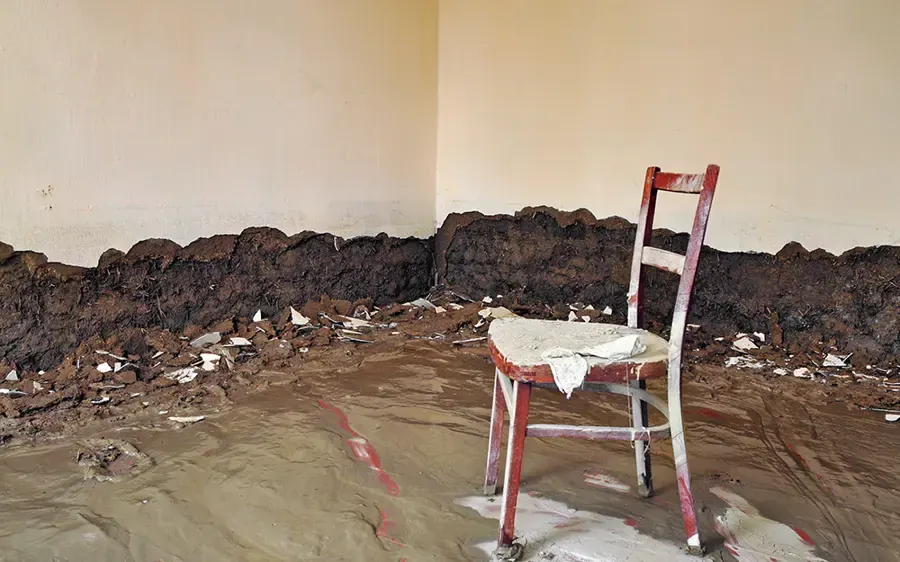 River & Flash Flood CleanupBig Thompson high water and flash-flood runoff handled as Category 3 water.See the service
 Roof Leak & Ice Dam Water DamageHail-cracked shingles and ice dams that push water into the attic and walls.See the service
 Ceiling Leak Water DamageUpstairs bath and plumbing leaks traced, the ceiling cavity opened and dried.See the service
 Water Heater Failure CleanupBasement tank ruptures and slow leaks extracted and dried around the utility room.See the service
 Appliance Leak Water DamageWasher, dishwasher, fridge and ice maker line failures cleaned up and dried.See the service
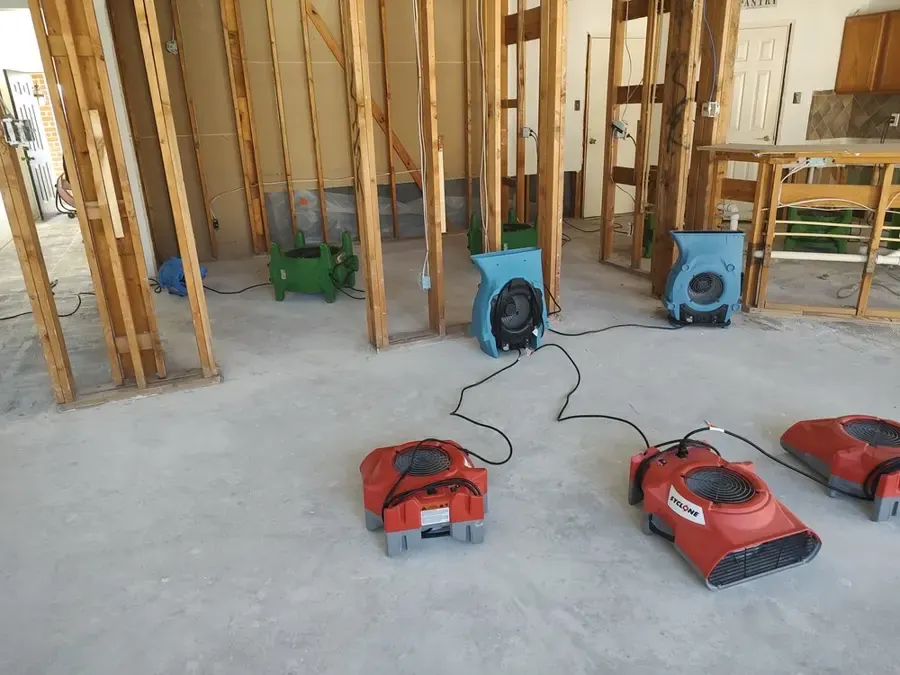 Structural Drying & DehumidificationFraming, subfloor and wall cavities dried with LGR and desiccant equipment.See the service
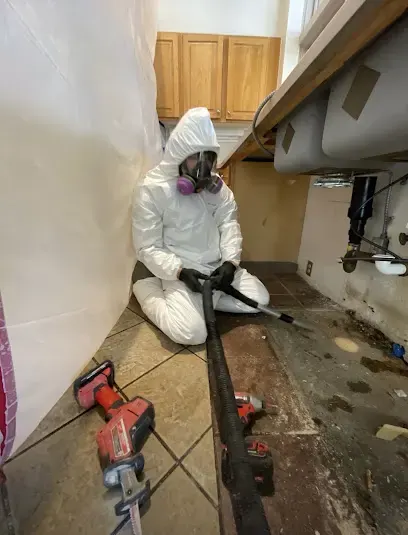 Sewage Backup CleanupCategory 3 backups contained, porous materials removed and surfaces treated.See the service
 Commercial Water DamageOffices, Centerra retail and downtown storefronts dried with minimal downtime.See the service
How a Loveland dry-out is run, step by step
What separates a finished dry-out from a cosmetic one is the order of the work. The drying plan follows what the meters find, not what the room looks like.
- 01
Moisture mapping first
The tech who does the walkthrough maps what is actually wet with pinless meters and thermal imaging before any equipment goes down.
- 02
Extraction
The extraction crew pulls standing water with truck-mounted extraction, so the water leaves the building instead of moving to the next room.
- 03
Air movers and LGR dehumidifiers
The drying team sets air movers to the evaporation load of each room and runs LGR dehumidifiers to pull that moisture back out of the air.
- 04
Daily readings and dry verification
Readings are logged every day, and the equipment comes out when the wet material sits within 2 to 4 points of a dry reference.
What does water damage restoration cost in Loveland, CO?
In Loveland, CO, water damage restoration typically runs $500 to $15,000 or more. The drivers are the water category (clean, gray or black), the square footage that got wet, the material class and how fast drying started after the water stopped.
Contained clean-water loss
- One room or hallway
- Extraction and in-place drying
- Three to four days of equipment
Finished basement or two floors
- Flood cuts and pad removal
- Several LGR dehumidifiers
- Daily readings for the claim
Groundwater, sewage or flood water
- Category 2 or 3 protocol
- Porous materials removed
- Containment and full drying
These are typical ranges, not a quote. For a planning number based on your rooms and water type, use the water damage cost calculator, or check drying days with the drying time estimator.
Water damage dried to the IICRC S500 standard
IICRC S500 is the industry drying standard. The restoration team dries the structure, not just the surface, and Class 1 through 4 sets how much equipment each room needs.
- IICRC S500 drying standard
- Truck-mounted extraction
- Daily moisture readings
- Structural drying, not just surface
Documentation for your insurance claim
A water claim is decided on the file. A complete file usually carries:
- The moisture map from the first walkthrough
- Daily psychrometric and moisture logs
- Timestamped photos taken before any demolition
- The category and class of the loss and a line-item scope
Sudden and accidental discharge is treated differently from rising surface water, which falls under flood coverage. Coverage depends on your policy, so it is worth checking with your own insurer.
All water damage categories covered in Loveland, CO
Category 1, clean water
Supply lines, frozen pipe splits, water heaters. Often dried in place when extraction starts quickly.
Category 2, gray water
Washer and dishwasher drains, sump and groundwater seepage. Soaked pad and wicked drywall usually come out.
Category 3, black water
Sewage backup and river or flash flood water. Porous materials are removed, not dried.
Sewage backup cleanupWhat a water damage dry-out looks like in Loveland
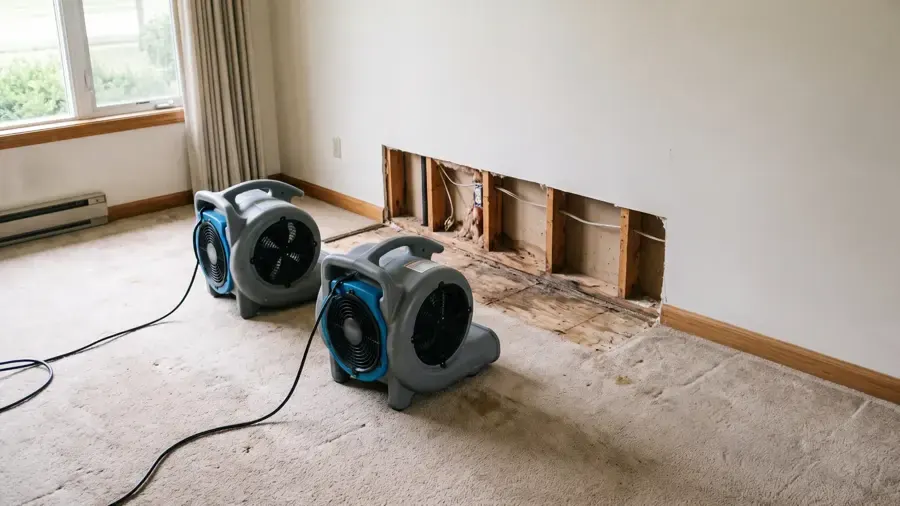
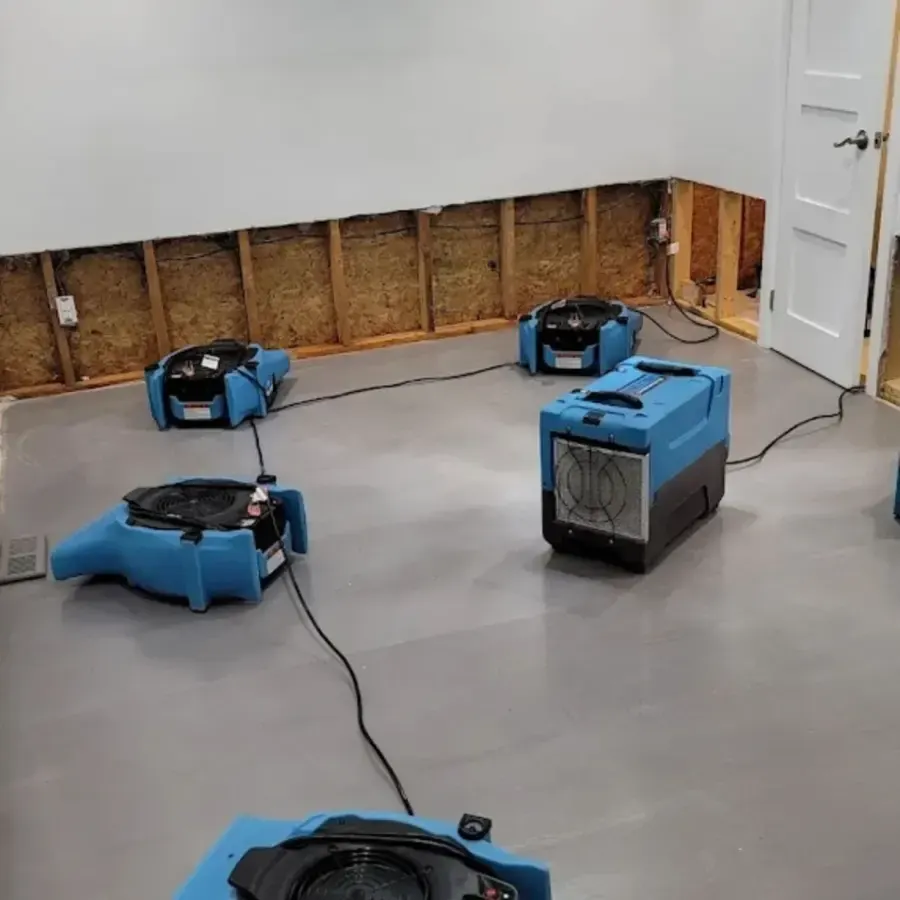
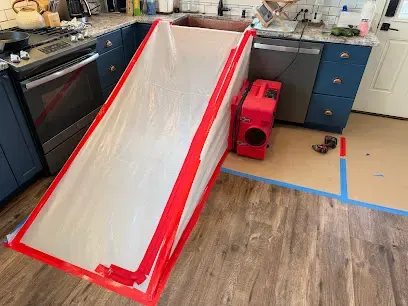
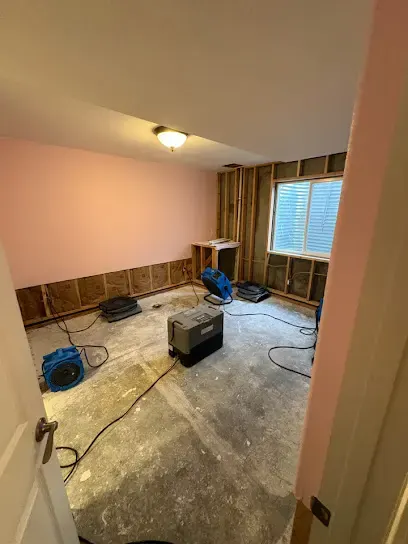
Water damage restoration across Loveland and the Big Thompson valley
The Loveland restoration crew covers every Loveland ZIP plus the south Larimer County towns, day or night.
Loveland ZIP codes covered
Outside these ZIPs? The drying team also covers Berthoud, Campion, Johnstown, Masonville, Windsor and south Fort Collins. Call with the cross street and which level of the home is wet.
Downtown and the river
Downtown LovelandNamaquaBig Thompson River corridor
Lakes and north side
Lake LovelandBoyd LakeNorth Loveland
East toward I-25
CenterraJohnstownWindsor
West and the foothills
Mariana ButteDevil's BackboneMasonvilleBig Thompson Canyon mouth
South Larimer County
BerthoudCampionCarter Lake
North toward Fort Collins
South Fort CollinsHarmony corridor
24/7 water damage restoration across Loveland, CO
Tell the response team which level of the home is wet, where the water came from and whether it has stopped. That decides how much extraction and drying equipment goes out on the first visit.
Water damage in Loveland, CO: the Big Thompson and the basements
Loveland sits where the Big Thompson River leaves its canyon, on expansive Front Range clay, with full basements under most homes built from the 1970s on. The same few failures cause most losses here.

July 31: the Big Thompson Flood tore through the canyon above town after a stalled thunderstorm.
September: days of rain sent the river through Loveland neighborhoods and closed U.S. 34 in the canyon.
- Spring groundwater near Lake Loveland, Boyd Lake and the ditches overwhelms sump pumps.
- July and August storms fill egress window wells and flood finished basements.
- Sub-zero cold snaps split supply lines in exterior walls, garages and crawlspaces.
- Hail-damaged roofs and ice dams push water into attics and ceilings.
Loveland water damage questions, answered
What should I do first when water is spreading in the house?
If it is safe, close the main water shutoff and switch off power to wet rooms at a dry breaker panel. Stay out of standing water near outlets, photograph the damage before moving anything, lift rugs and small furniture off the floor, then call. Drying that starts early saves more drywall, trim and flooring.
How fast does water damage get worse?
Water wicks up drywall and into subfloor within hours, and indoor moisture that sits for 24 to 48 hours is the usual window for mold growth. That is why extraction and drying are treated as urgent, day or night.
Is water damage covered by homeowners insurance in Colorado?
Sudden and accidental water, like a burst supply line, is commonly covered after the deductible. Groundwater, sump overflow and sewer backup often need a specific endorsement, and river or flash flooding usually needs flood insurance. Coverage depends on your policy, so it is worth checking with your own insurer.
How long does it take to dry a water damaged home?
A contained Class 1 or 2 loss usually dries in three to five days with air movers and LGR dehumidifiers. Hardwood, plaster, cold basement slabs and two-level losses take longer. The equipment stays until readings say dry, not until the room looks dry.
What is the IICRC S500 standard?
IICRC S500 is the industry standard for professional water damage restoration. It covers how the water category and class are set, how water is extracted, how drying is run and how the finished structure is verified dry.
What does water damage restoration cost in Loveland?
Most Loveland water losses run $500 to $15,000, and large or contaminated losses can go higher. The drivers are the water category, the square footage, the material class and how fast drying started. The water damage cost calculator gives a planning range.
Why do so many Loveland basements take on water?
Full basements are standard in Loveland homes built from the 1970s on. Spring groundwater near the lakes and irrigation ditches stresses sump pumps, summer storms fill window wells, expansive clay soil cracks foundations, and sub-zero cold snaps split supply lines.
When does drywall have to be removed?
When readings show it wicked water and cannot be dried in place, or when it touched Category 3 water like sewage or flood water. Clean-water drywall caught early can often be dried with small access holes instead of full removal.
Why is sewage handled differently?
Sewage is Category 3 the moment it happens. The area is contained, porous materials it touched are removed instead of dried, and surfaces are treated with an EPA-registered antimicrobial before drying starts.
What is the difference between mitigation and repair?
Mitigation stops the damage: extraction, removal of what cannot be saved, and structural drying. Repair, or reconstruction, replaces drywall, flooring and trim, and it starts only after the structure is dry.
Water in the house right now? Call now.
Every hour of standing water pushes it further into drywall, framing and subfloor. The restoration team works 24/7 across Loveland, Berthoud, Johnstown and the Big Thompson valley.